Blog
Building a Donor Pipeline Starts With Your Volunteers
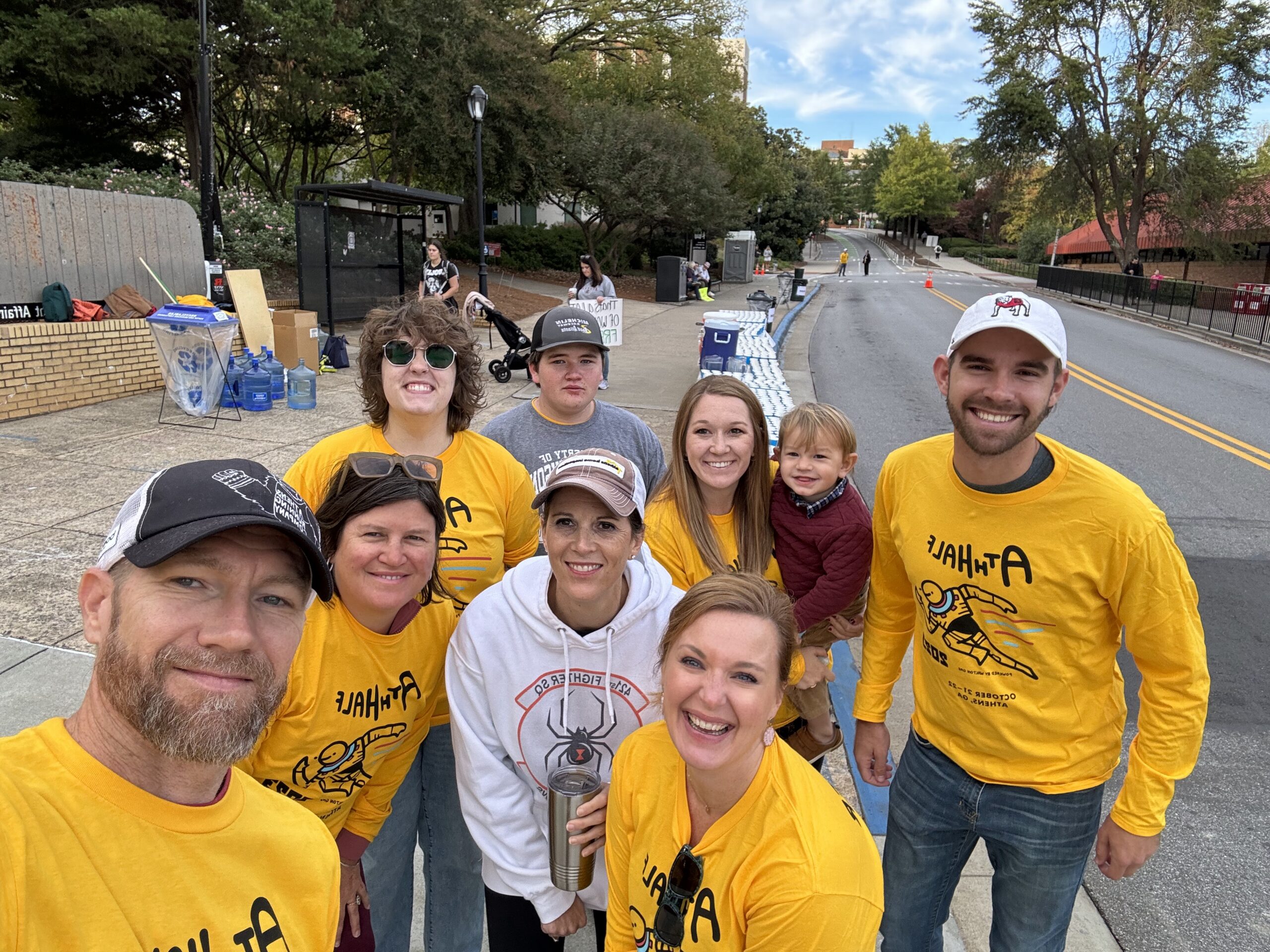
There is a strong passion for volunteering out there, especially in the younger generations. In fact, nearly 80% of people between 12 and 25 participate in some kind of service activity. That may mean simple, everyday efforts like organizing donation drives or helping in their community. We think that’s pretty encouraging for the future!
But it does highlight a gap that advisors may notice.
A lot of these people see themselves as advocates, contributing to societal issues and solving problems. But that doesn’t always translate to financial support, especially in the youngest volunteers. So how do we use their passion to be sure we’re building future donors?
Start with Volunteers Who Care
The great thing about volunteers is that they aren’t starting from zero. They already have a connection to your mission, maybe even a personal one, and are giving their time. That means they’ve seen the impact you have firsthand.
Especially for young volunteers, there tends to be a drive for purpose and connection. The more they feel their work matters, the more they want to help. And that creates a clear pathway to philanthropy when it’s nurtured.
Bridging the Gap Between Time and Financial Support
One of the most effective ways to build a future donor base is also one of the most straightforward: helping volunteers understand that giving financially is simply another way to support the work they already care about.
Many younger individuals already grasp this concept. They may donate goods, participate in fundraising events, or rally their networks for a cause. The idea that resources can drive impact isn’t new—it just needs to be framed clearly.
The connection often sounds like this:
You’ve seen the impact up close.
You understand what it takes to make this work happen.
Here’s how even a small financial contribution can extend that impact further.
When the message is positioned this way, giving doesn’t feel like a separate ask. It feels like a continuation of what they’re already doing.
Make the First Step Simple
Capacity is an important consideration. Students and early-career professionals are often eager to support causes, but their financial flexibility may be limited.
That doesn’t reduce the importance of engagement—it simply shapes how it begins.
Introducing giving in accessible ways can make all the difference. Small, consistent contributions, recurring donations, or participation in peer-led fundraising efforts can help establish a sense of ownership without creating pressure.
The focus isn’t on the amount. It’s about building the habit.
Once someone makes that first gift, even at a modest level, they are far more likely to give again.
Plan for Growth Over Time
Volunteer engagement doesn’t stay static—and neither should your approach.
As individuals move through different stages of life, their capacity and priorities shift. Someone who begins as a student volunteer may later become a steady donor, then a more significant supporter, and eventually someone thinking about long-term or legacy giving.
This progression doesn’t happen overnight, but it becomes much more likely when the relationship is nurtured consistently.
Over time, you may see:
- First-time donors becoming regular supporters
- Regular donors are increasing their level of giving
- Engaged supporters exploring larger or more strategic gifts
- Longtime contributors beginning to consider legacy options
Volunteers are uniquely positioned to grow with your organization because their connection is already rooted in experience, not just awareness.
Create Opportunities for Leadership
Another trend is becoming clear: younger volunteers don’t just want to participate—they want to contribute in meaningful ways.
Providing opportunities for leadership can deepen that connection significantly.
When volunteers help organize events, lead initiatives, or shape programs, their sense of ownership increases. That ownership often translates into stronger long-term commitment—not only to the mission, but to sustaining it.
Involvement at this level can also serve as a bridge to philanthropy. When someone feels responsible for the success of an initiative, supporting it financially becomes a more natural next step.
Build Toward Lifelong Philanthropy
The goal isn’t simply to turn volunteers into donors. It’s to create a culture where giving becomes part of a long-term relationship with your organization.
Volunteers who transition into donors tend to stay engaged longer, deepen their involvement over time, and advocate for your mission within their own networks. They also carry that commitment forward into future stages of life, including major giving and legacy planning.
The current surge in volunteerism—particularly among younger generations—is more than a positive trend. It’s an invitation to build lasting connections.
Looking Ahead
Today’s volunteer often becomes tomorrow’s donor—and, over time, a long-term supporter or legacy contributor.
By meeting volunteers where they are, making giving approachable, and continuing to engage them as they grow, organizations can build a strong and sustainable donor pipeline.
As always, the community foundation is here to support you in that process, helping you connect service, giving, and long-term impact in a way that strengthens your mission for years to come.
 Return to Blog