Community Story
A Collaborative Vision for Data-Informed Change
Since its beginnings in 2016, the Athens Wellbeing Project (AWP) has been a countywide effort powered by Athens-Clarke County’s major public institutions, with the Athens Area Community Foundation serving as its earliest and most consistent champion.
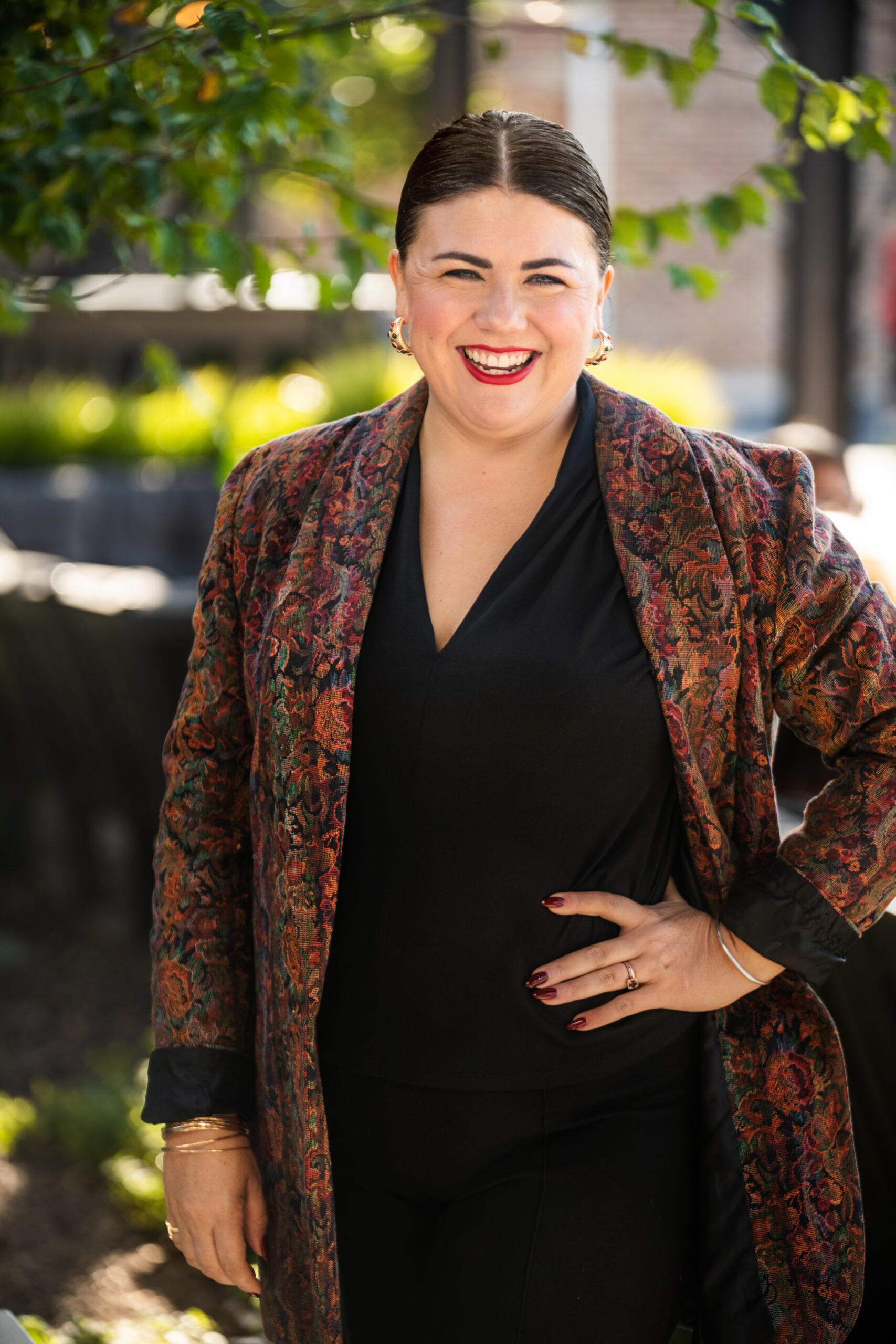
Since its beginnings in 2016, the Athens Wellbeing Project (AWP) has been a countywide effort powered by Athens-Clarke County’s major public institutions, with the Athens Area Community Foundation serving as its earliest and most consistent champion.
“People don’t always understand that AWP isn’t a person or an institute. It’s a common misconception that we’re an organization, but we’re not that either,” says Dr. Grace Adams, Principal Investigator at Athens Wellbeing Project. “We’re a collaboration. We’re a community project, built and protected by community partners.”
The Athens Wellbeing Project (AWP) emerged in response to a simple but persistent problem: Athens had data everywhere, yet too many community organizations lacked the time, capacity, or access to use it. In 2015, when hospitals started conducting required Community Health Needs Assessments, a small group began exploring how to unify local data efforts. Among them were Delene Porter, then-president of the Athens Area Community Foundation, and longtime board member Ed Perkins. As Grace remembers, “There were so many surveys happening at once that the running joke was that we created another survey to deal with the multiple surveys.”
From those early conversations, AWP began its first countywide wellbeing survey in 2016. Today, the project is in its fourth iteration, each cycle guided by Grace and her research team at the University of Georgia, which specializes in geospatial analysis and representative survey design. With support from the Community Foundation and partners across the community, including the school district, United Way, hospitals, the Housing Authority, the police department, UGA, and more, AWP now provides one of the most complete pictures of local community health in the country.
“We never set out to be the primary source of data,” Grace said. “But with so much national data disappearing, we unexpectedly became one of the most reliable ones.” The project’s detailed, neighborhood-level insights help Athens understand how families are actually living and why.
That information is essential when so many philanthropic dollars go to the community’s most vulnerable residents, including unhoused families, older adults, and households struggling to meet basic needs. “Before, we were flying blind about the lived experiences of high-need populations. Having data is essential to actually meeting the real needs of real people in our community.”
AWP’s findings have also sparked tangible new initiatives. One recent example is the re-banking Initiative, born from AWP data showing that nine percent of local households had taken out high-interest loans in just a 90-day period. “That’s 4,500 families!” Grace emphasized. “Seeing that number shifted the urgency for everyone involved.”
Grace’s connection to the Athens Area Community Foundation dates back to her graduate years, when Delene and Ed encouraged her early work and helped build the long-term home AWP has today. She remains a fundholder through the AWP fund at the Athens Area Community Foundation, which supports ongoing project cycles and protects the work they are doing from political or institutional turnover.
Her message to others considering working with the Community Foundation is simple: “You’ll be well taken care of. The Athens Area Community Foundation is in a season of growth, and Sarah and Stephanie are strong, thoughtful leaders. It really comes down to the people, and the Community Foundation is a team worth investing in.”
For Grace, the most important truth about AWP is that it belongs to Athens. “No one owns this data, and this project is a public good. It’s for everyone,” she says. “The knowledge we generate belongs to the community—and it’s only as valuable as how useful it becomes.”
 Return to Home